

Herbal Infusions
Step into a world of flavour and wellness with herbal infusions, a centuries-old tradition that never stops surprising. From peppermint leaves to rose petals, soothing chamomile to invigorating thyme, every cup is an invitation to unwind and explore. Far more than a simple drink, an herbal infusion is a true wellbeing elixir, weaving the natural virtues of plants together with indulgent, fruity notes. Whether you're drawn to exotic flavours like mango and pineapple, or you prefer timeless classics like verbena and linden, let yourself be carried along on a sensory journey where every sip brings you closer to the perfect balance of health and pleasure. Rediscover this timeless drink in a new light, where tradition and creativity come together to craft blends as surprising as they are delicious.
Organic
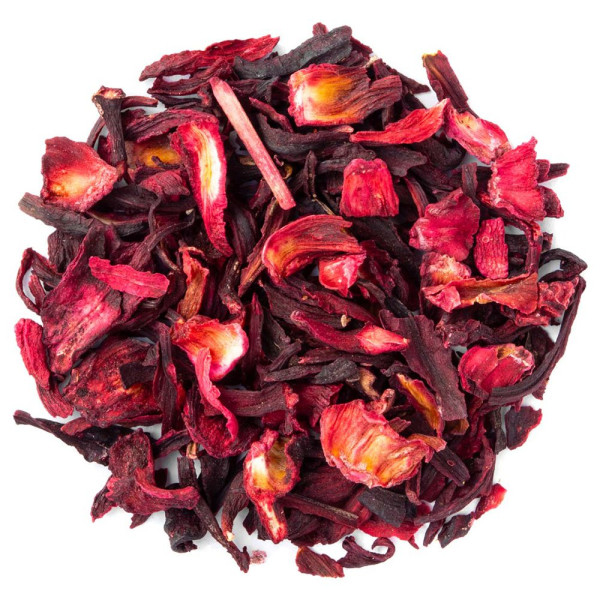
Hibiscus flowers
Dried hibiscus flowers. Fruity and tart taste
(19 reviews)
€5.90
| 100g Tea Bag
Discover our detox teas & herbal teas
Herbal infusions with draining plants, ideal for your seasonal wellness programs.
Discover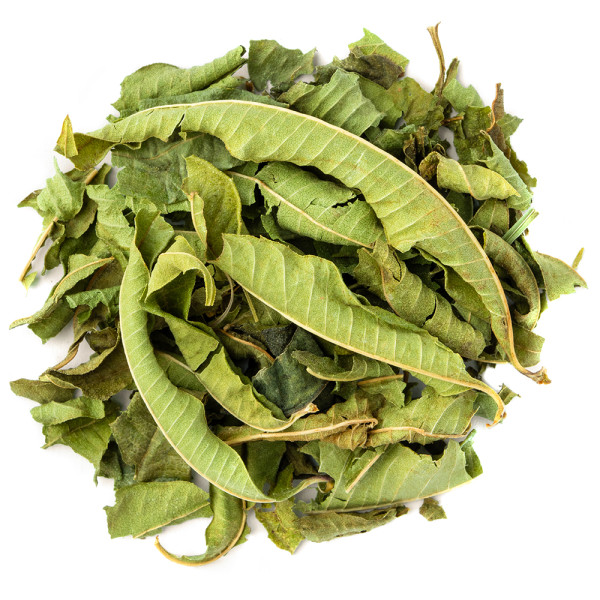
Organic
Verbena Leaves
Whole verbena leaves, highly fragrant, 100% pure and organic
(8 reviews)
€5.90
| 30g Tea Bag
Organic
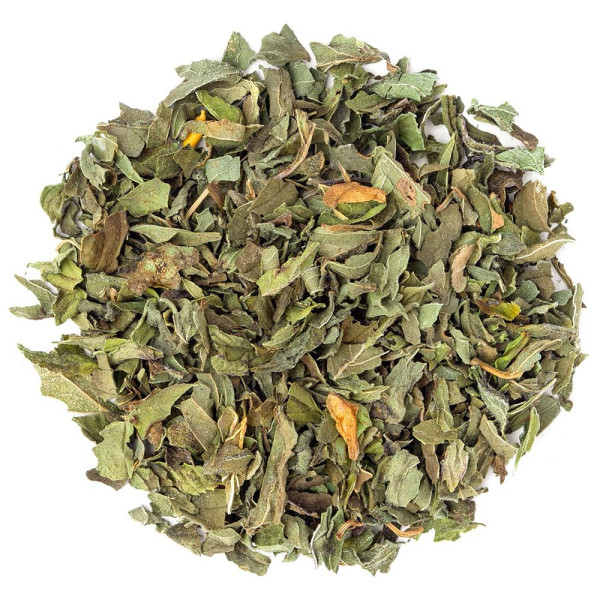
Peppermint
Organic peppermint herbal infusion made with 100% peppermint leaf
(10 reviews)
€5.90
| 50g Tea Bag
LOVE PICK
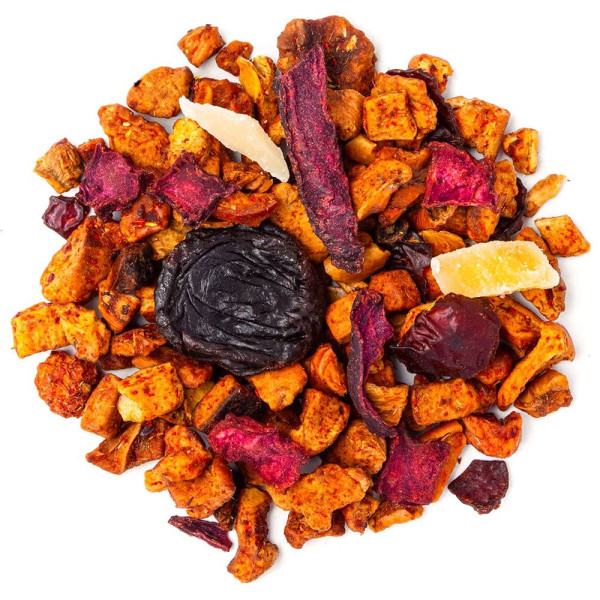
Cherry Cake
Delightful fruity infusion with a lovely cherry flavour
(24 reviews)
€6.90
| 100g Tea Bag
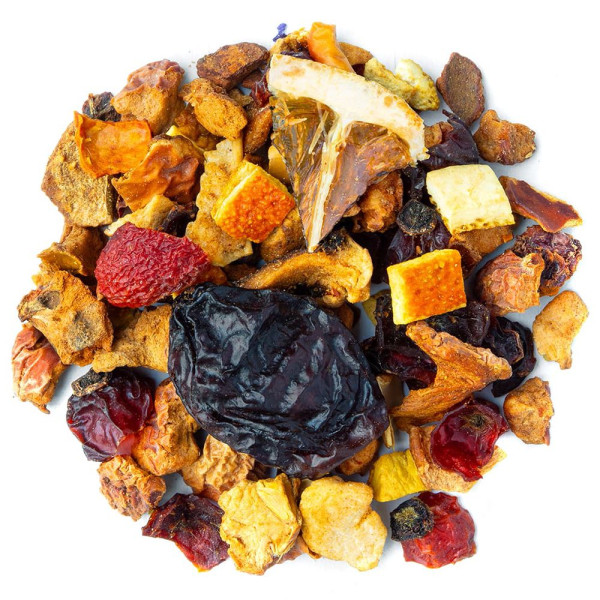
Apple Cake
Let yourself be captivated by this irresistible, indulgent...
(12 reviews)
€6.90
| 100g Tea Bag
Victim of its success
Out of stock
LOVE PICK
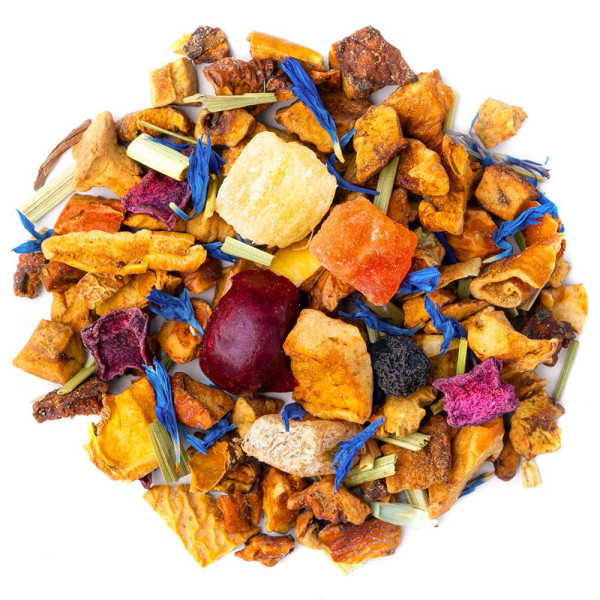
After Work
The perfect drink to unwind after a long day at work!
(18 reviews)
€7.00
| 100g Tea Bag
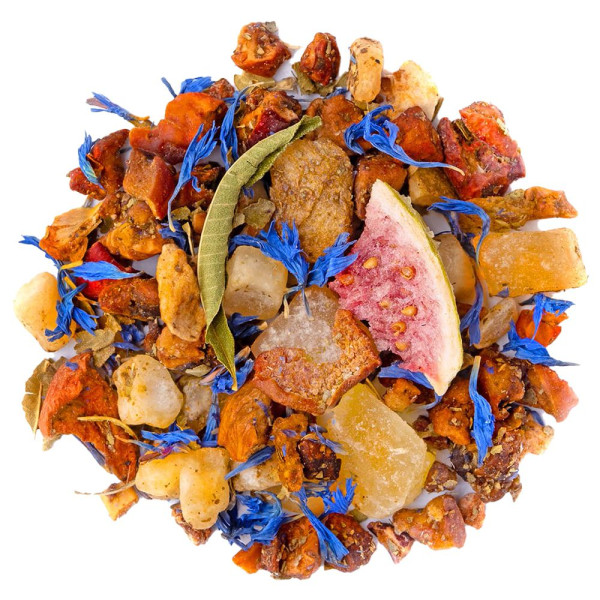
Watermelon Sunrise
A burst of fruity flavors to awaken your palate
(10 reviews)
€7.00
| 100g Tea Bag
Organic
LOVE PICK
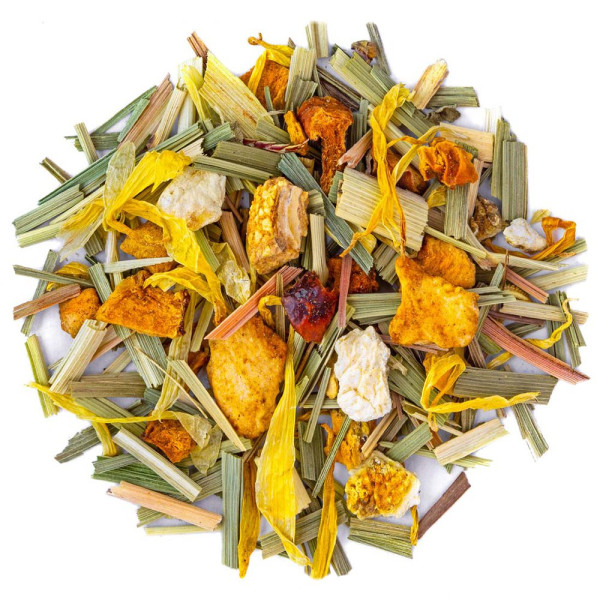
Lemon Basil
A refreshing infusion with detoxifying properties
(14 reviews)
€7.20
| 100g Tea Bag
LOVE PICK
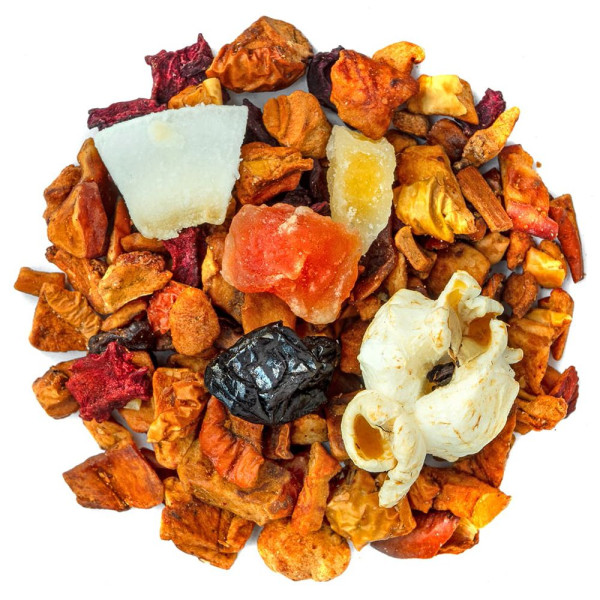
Almond Cloud
A delightful fruity and indulgent infusion with roasted almond...
(9 reviews)
€7.20
| 100g Tea Bag
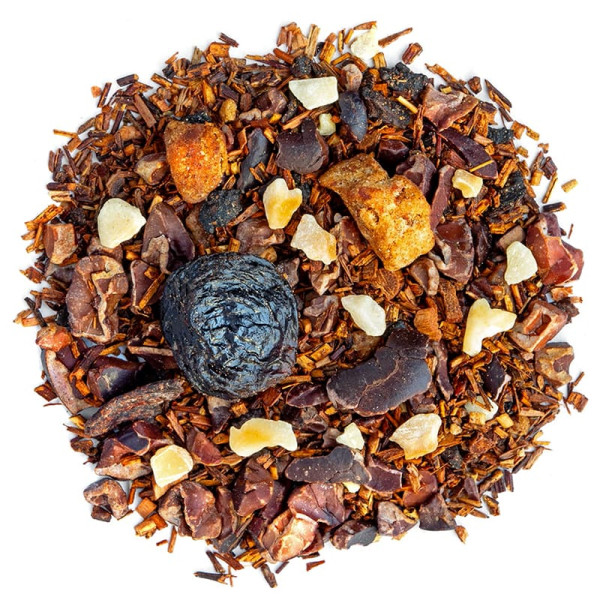
Gourmand's Herbal...
A delightful spread-flavored creation, a pure delight
(12 reviews)
€7.50
| 100g Tea Bag
LOVE PICK
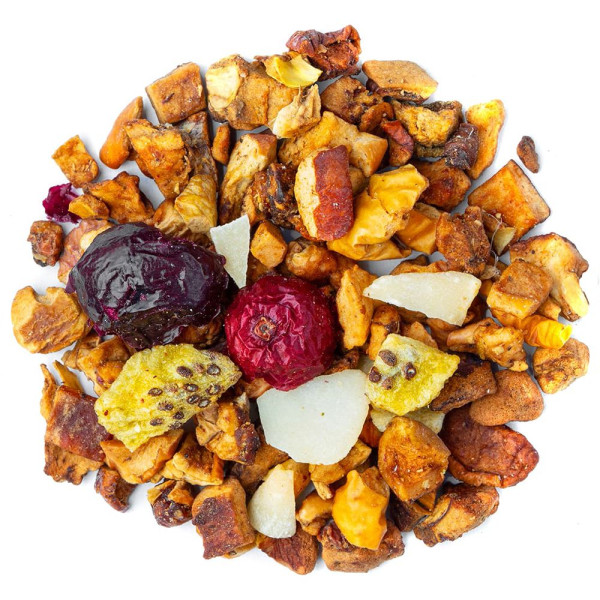
Cherry Coco
A world of sweetness and indulgence with cherry, kiwi and...
(8 reviews)
€7.50
| 100g Tea Bag
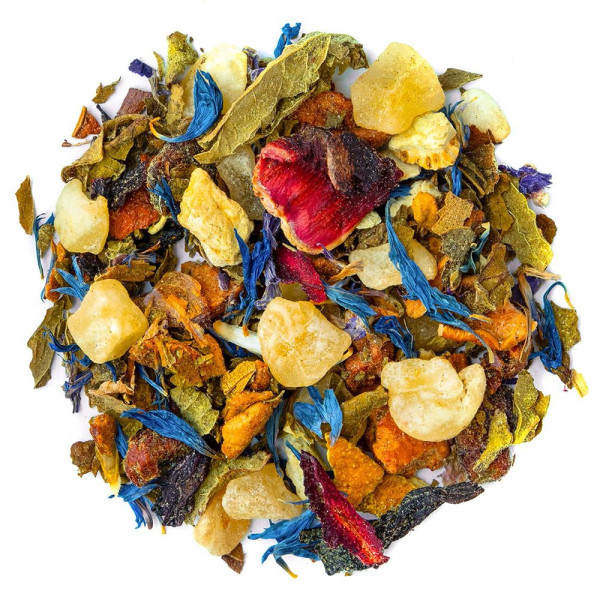
Frosted Melon
A refreshing note evoking the freshness of a summer breeze
(5 reviews)
€7.50
| 100g Tea Bag
Filter
Filters:
Herbal Infusions: Benefits, Brewing and Tips
What Is an Herbal Infusion?
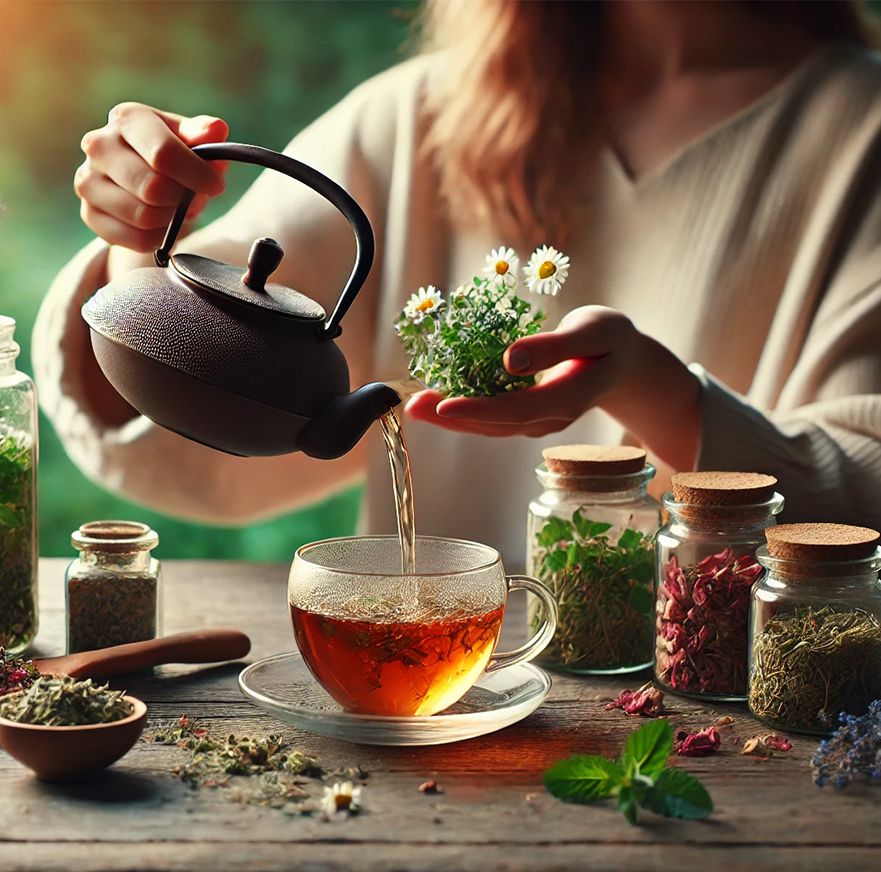
An herbal infusion is a drink made by steeping parts of plants (leaves, flowers, roots, bark) in hot water. Unlike tea, it contains no leaves from the Camellia sinensis plant. Herbal infusions can be made from a single plant, such as chamomile or mint, or from a complex blend. Each ingredient is carefully chosen for its medicinal properties or aromatic profile, giving rise to drinks with a wide range of qualities: calming, digestive, detoxifying or energising.
Herbal Infusions, Tea and Infusions: What's the Difference?
Although these terms are often used interchangeably, they refer to distinct preparations. An herbal infusion is made exclusively from plants, fruits or spices, with no tea leaves, and therefore contains no caffeine. Tea is specifically prepared from the leaves of the Camellia sinensis plant and naturally contains caffeine. Infusion is a broader term covering any drink obtained by steeping plant material in hot water, which includes both herbal infusions and teas.
What Is an Infusion?
Infusion is the process of extracting the soluble compounds of a plant into hot water. This method releases the active ingredients, aromas and flavours of the plants used. Water temperature and steeping time vary depending on the ingredients, to optimise extraction without compromising the benefits or the taste. Delicate flowers, for instance, call for cooler water and a shorter steeping time than roots or bark.
Herbal Infusions as an Alternative to Tea or Coffee
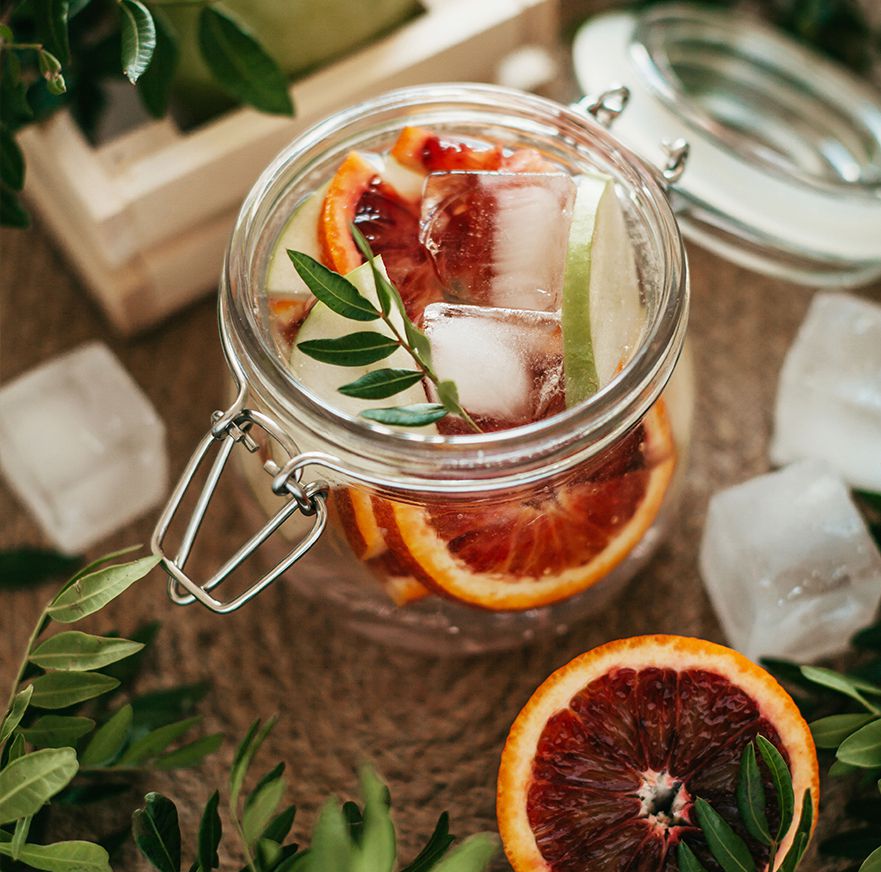
Herbal infusions offer a compelling alternative to tea and coffee, especially for those looking to cut back on caffeine. They bring several benefits: optimal hydration without a pronounced diuretic effect, no caffeine (making them ideal for evening drinking), a range of plant-specific benefits, and a wide variety of flavours to keep things interesting.
That said, they don't provide the immediate stimulating effect of caffeine. For those in need of an energy boost, certain herbal infusions such as mate or ginseng can offer a gentler lift, though less powerful than coffee or tea. Yerba Mate, for instance, originates from South America and contains mateine, a compound similar to caffeine but with softer, longer-lasting effects.
The Benefits of Herbal Infusions
Herbal infusions offer a wealth of health benefits that vary depending on their ingredients. For relaxation and sleep, chamomile, valerian and linden are well known for their calming properties. When it comes to digestion, peppermint, fennel and star anise support digestive function, easing bloating and intestinal discomfort.
For detoxification, dandelion, rosemary and green tea stimulate liver and kidney function, helping the body eliminate toxins. Immune support can be encouraged with echinacea, elderberry and thyme. And for antioxidant power, goji berries, pomegranate and Rooibos help combat oxidative stress.
How to Brew the Perfect Herbal Infusion
To get the most from your herbs and create a truly satisfying cup, follow these steps:
- Water: Use fresh, filtered water where possible to let the natural aromas shine through.
- Temperature: Match the water temperature to your herbs: 90–95°C (194–203°F) for roots and bark, 80–85°C (176–185°F) for leaves, 70–75°C (158–167°F) for delicate flowers.
- Quantity: As a general guide, use 2 to 3 grams of dried herbs (or a heaped teaspoon) per 250 ml cup.
- Steeping: Cover your cup or teapot while the herbs infuse to preserve their volatile essential oils.
- Time: Respect the recommended steeping time for each herb to strike the best balance between flavor and effect.
Once steeped, strain your infusion carefully before drinking. Feel free to personalize your cup with honey, lemon, or other natural ingredients to suit your taste.
Recommended Steeping Times
The ideal steeping time depends on the type of herb. Delicate flowers such as chamomile or hibiscus need just 5–7 minutes — steeping longer can release bitter tannins. Leaves (mint, verbena, green tea) benefit from 7–10 minutes to fully draw out their goodness without turning bitter. Roots and bark (ginger, cinnamon, licorice) call for 10–15 minutes or more to release their full character. Dried fruits infuse best over 8–12 minutes, allowing their natural sweetness to develop. For complex blends, follow the producer's guidance, typically around 8–10 minutes.
When and How to Enjoy Herbal Infusions
Weave herbal infusions naturally into your daily routine:
- Morning: Choose energizing infusions (yerba mate, ginger) or cleansing ones (green tea, dandelion) for a gentle start to the day.
- After meals: Reach for a digestive infusion (mint, fennel) to ease digestion and ease any bloating.
- During the day: Stay hydrated with fruity infusions or herb blends tailored to the moment, whether you need focus or a moment of calm.
- Evening: Favor relaxing blends (chamomile, linden blossom, lavender) to help you wind down and sleep well.
Before exercise, a toning infusion (ginseng, guarana) can give you a natural energy boost. When you're under the weather, match your infusion to your symptoms: thyme for a sore throat, elderberry to support immunity.
For the best results, drink herbal infusions regularly and rotate your blends to enjoy a broad range of benefits. Experiment with different combinations to find what suits you best, both in flavor and in how they support your wellbeing. Over time, your daily cup can become a genuinely pleasurable ritual, woven into a healthy and balanced way of living.
Buy Organic Herbal Tea Online
Our shop offers a wide selection of organic loose-leaf herbal infusions: classic medicinal herbs (chamomile, verbena, lemon balm, linden blossom, lavender), soothing blends (sleep, digestion, immunity), Ayurvedic infusions, and fruity blends (flavored Rooibos, red berries, citrus). All our herbal infusions are certified organic, caffeine-free, and perfect for evenings and the whole family.
Herbal Tea vs. Infusion: What's the Difference?
The term herbal infusion refers to a brew made from plants (leaves, flowers, roots, bark) prized for their health or relaxing properties, with no caffeine whatsoever. The word infusion is broader but often used interchangeably in everyday language. Our organic herbal infusions are crafted for everyday wellbeing.
How to Prepare an Organic Herbal Infusion
Simple to make: 1 teaspoon (4–5 g) of herbs per 25 cl of hot water at 95–100°C (203–212°F). Steep for 5 to 10 minutes depending on the herb, and cover to preserve the essential oils. Free delivery from €49, secure payment.
Targeted Herbal Infusions for Common Ailments
Choosing the right herbal infusion can help ease a range of everyday complaints:
- Sleeplessness: Lemon balm, passionflower, lavender – these plants have gentle sedative properties that encourage relaxation and help you drift off.
- Stress: Hawthorn, St. John's wort, rhodiola – known for their adaptogenic qualities, they help the body regulate its response to stress.
- Digestive discomfort: Ginger, turmeric, liquorice root – these herbs stimulate digestive secretions and soothe the intestinal lining.
For sore throats, thyme, eucalyptus and sage are particularly effective, thanks to their antibacterial and anti-inflammatory properties. When fatigue sets in, adaptogenic plants such as ginseng, guarana and eleuthero help combat tiredness and build the body's natural resilience.
Energising Herbal Infusions for a Natural Boost
For a sustained lift without relying on synthetic stimulants, a few herbal infusions stand out.
Yerba Mate, rich in nutrients and naturally occurring compounds such as mateine, delivers lasting energy without the jittery side effects often associated with caffeine. Ginger, warming and invigorating, improves circulation and gives the metabolism a gentle nudge. Guarana contains naturally occurring caffeine and provides a more pronounced effect, though it's best enjoyed in moderation. Finally, ginseng, a powerful adaptogen, supports both physical and mental endurance.
How to Choose a Quality Organic Herbal Infusion
When selecting a high-quality organic herbal infusion, a few criteria are worth keeping in mind. Look for an official organic certification, which guarantees the absence of pesticides and GMOs. Favour blends where the origin of each plant is clearly stated, ensuring better traceability from field to cup. Choose airtight packaging that preserves the natural aromas, and opt for blends made with 100% natural ingredients, free from artificial flavourings and additives. Plants grown at altitude or in their native habitat tend to be richer in active compounds.
Our customers talk about us