Green Tea

Step into the world of green tea, where every cup carries centuries of tradition. From Japan to China, India to Vietnam, a whole spectrum of flavours awaits. Picture the delicate scent of jasmine weaving through notes of ripe strawberry, or a breath of fresh mint lifting the warmth of ginger. Our curated selection takes you through an aromatic garden of fine leaves: from vibrant Sencha to silky Matcha, all the way to the enigmatic Gunpowder. A journey for the senses, and a cup naturally rich in antioxidants. Loose-leaf, tea bag or fine powder, organic or blended, hot or iced — green tea reinvents itself for every taste.

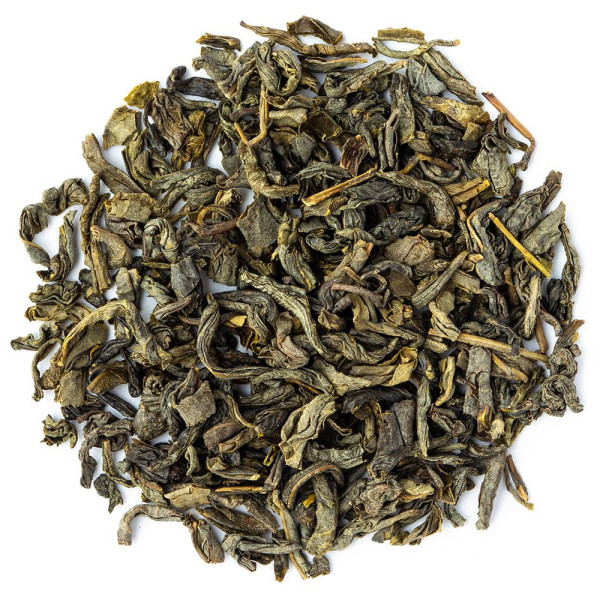
Organic Chun Mee

Aromatic and smooth Chinese tea with a subtle astringent infusion

(15 reviews)
€6.00 | 100g Tea Bag
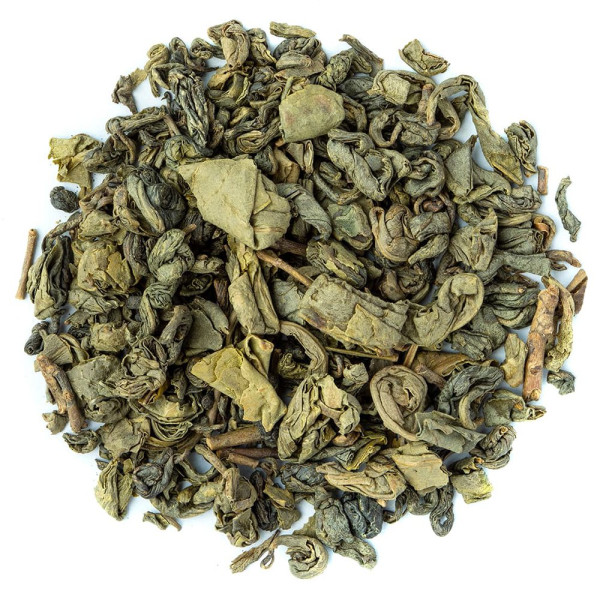
Organic Gunpowder Grade 1

Chinese tea rolled into small pearls, traditionally used for...

(11 reviews)
€6.50 | 100g Tea Bag

Discover our detox teas & herbal teas

Herbal infusions with draining plants, ideal for your seasonal wellness programs.

Discover
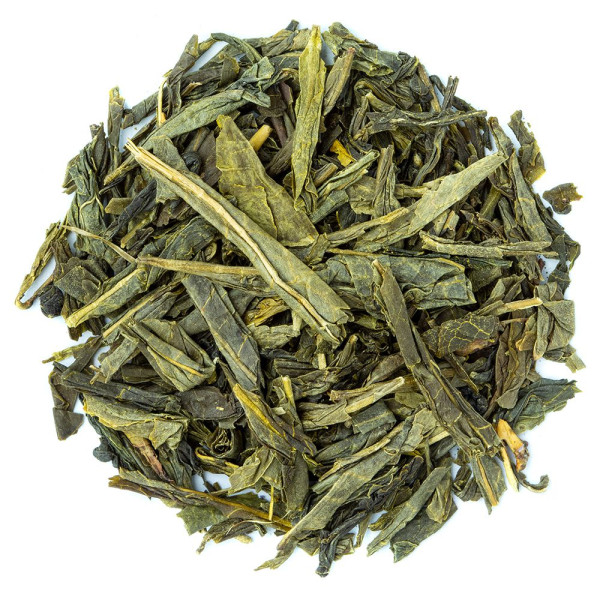
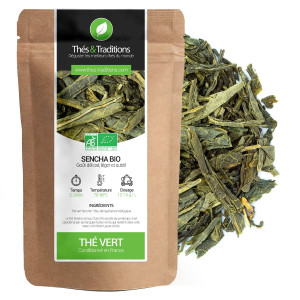
Organic LOVE PICK Sencha

Light and subtle Sencha green tea to enjoy throughout the day

(43 reviews)
€6.50 | 100g Tea Bag
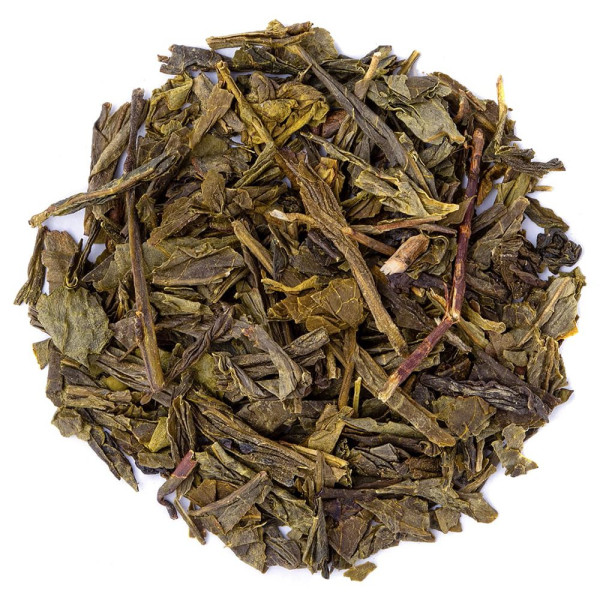
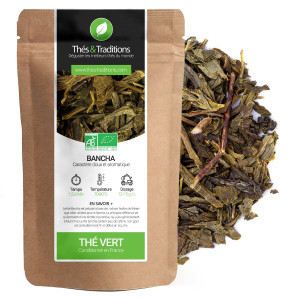
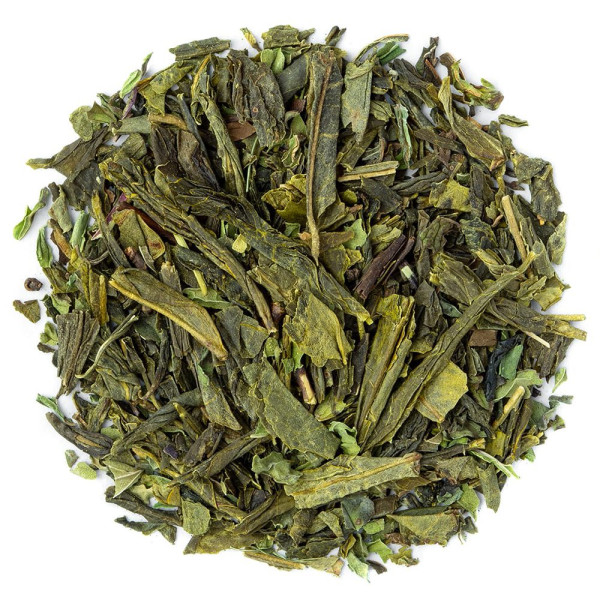
Organic Bancha

Smooth and aromatic Chinese green tea, highly popular...

(21 reviews)
€7.50 | 100g Tea Bag
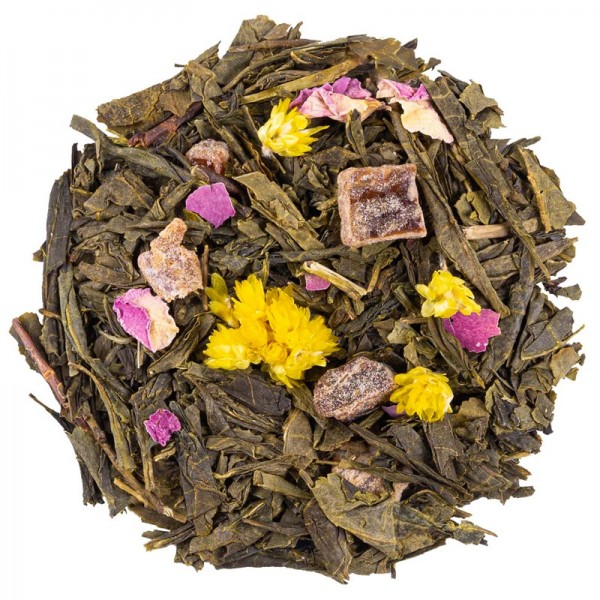
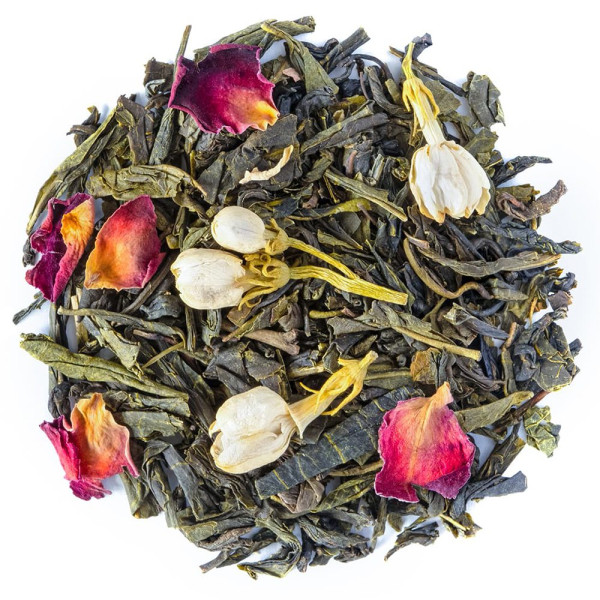
Organic Yankou

Green tea with rose petals and fruits: indulgent and exotic

(27 reviews)
€7.90 | 100g Tea Bag
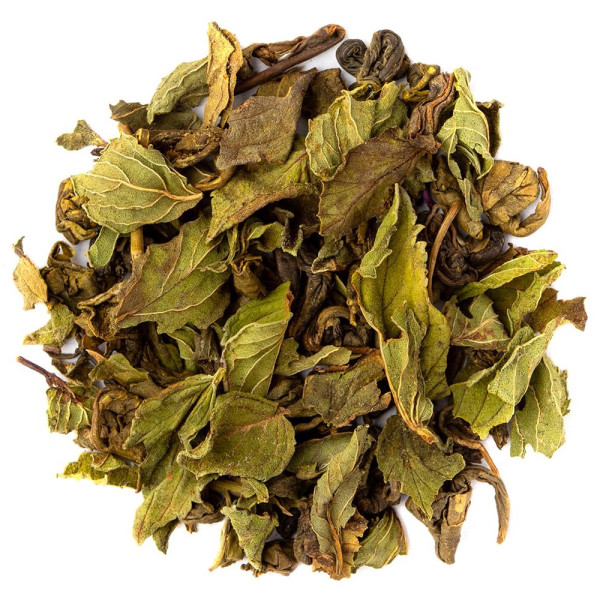
Organic LOVE PICK Peppermint

Green tea with peppermint, let yourself be captivated by this...

(21 reviews)
€7.90 | 80g Tea Bag
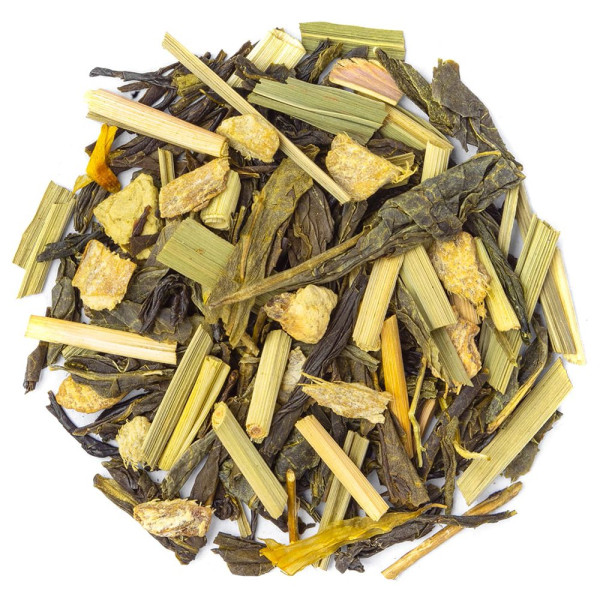
Organic LOVE PICK Yangtze

Wonderful fresh and fruity blend of ginger and lemon

(25 reviews)
€7.90 | 100g Tea Bag
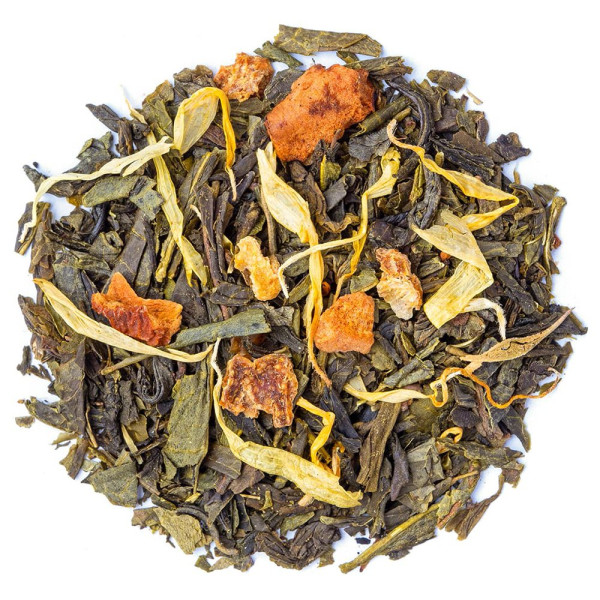
Organic Iced Mango

A refreshing green tea that will awaken your taste buds!

(11 reviews)
€7.90 | 100g Tea Bag
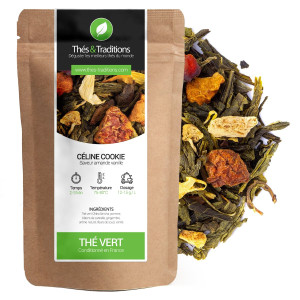
Céline Cookie

A delightful blend of almonds and vanilla: pure bliss

(27 reviews)
€7.90 | 100g Tea Bag
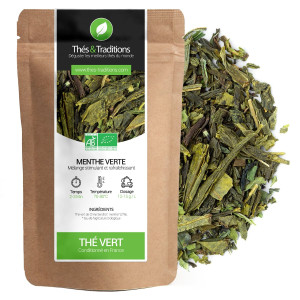
Organic Spearmint

Green tea with mint and Sencha: refreshing and thirst-quenching

(21 reviews)
€7.90 | 100g Tea Bag
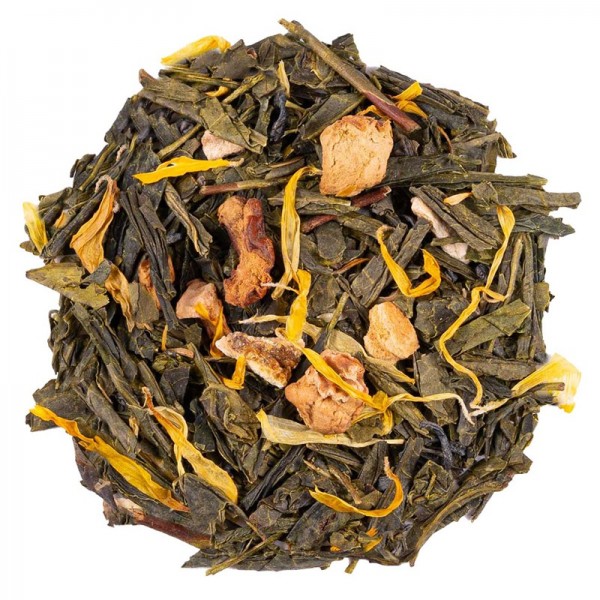
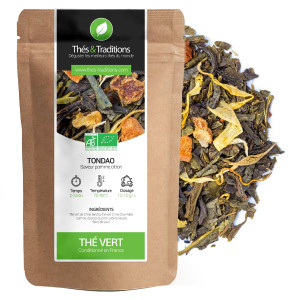
Tondao

Sparkling green tea blending lemon peel and apple

(12 reviews)
€7.90 | 100g Tea Bag
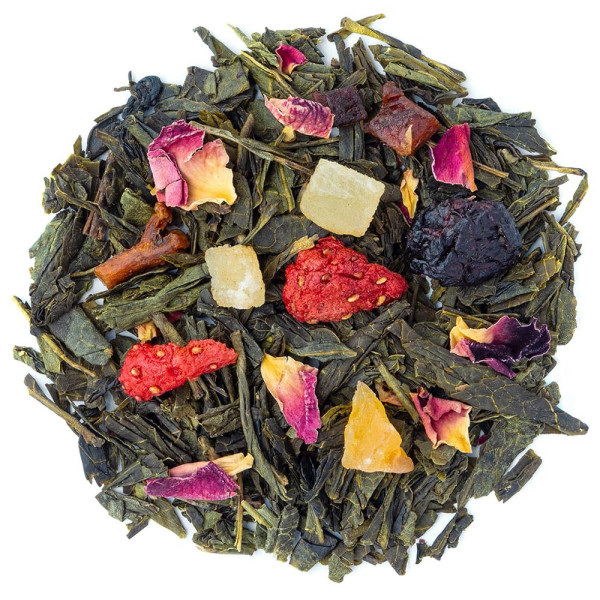
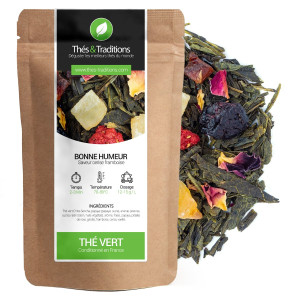
LOVE PICK Good Mood

A fragrant green tea, delightfully indulgent and smooth on the...

(8 reviews)
€7.90 | 100g Tea Bag
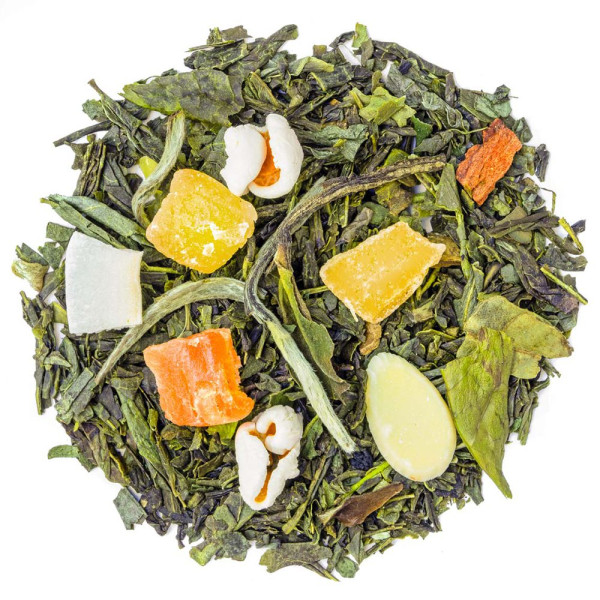
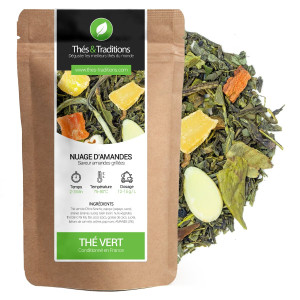
Almond Cloud

A fruity and indulgent green tea with roasted almond notes

(6 reviews)
€7.90 | 100g Tea Bag
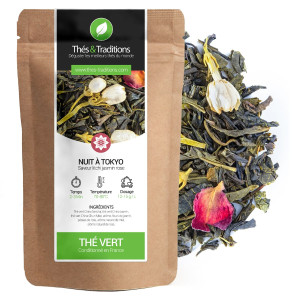
LOVE PICK Tokyo Night

The freshness of jasmine and the exotic allure of lychee.

(16 reviews)
€7.90 | 100g Tea Bag
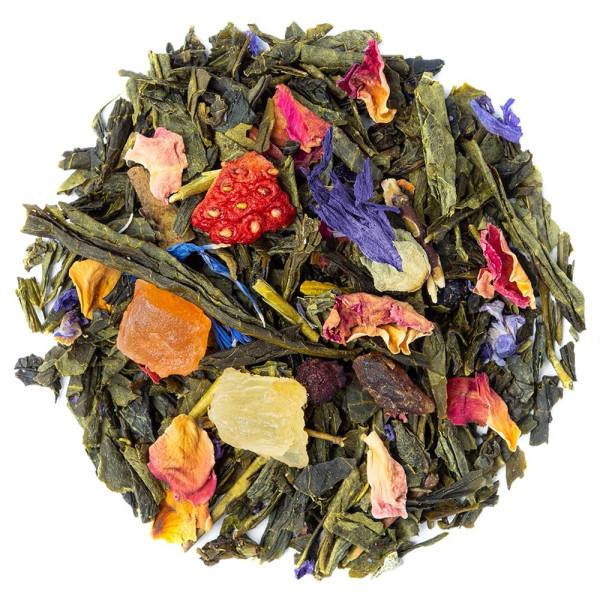
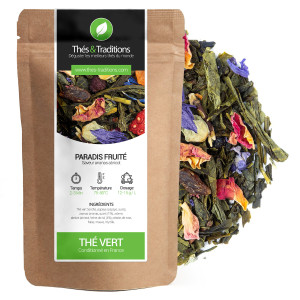
LOVE PICK Fruity Paradise

A delightful green tea, refreshing and exotic

(3 reviews)
€7.90 | 100g Tea Bag
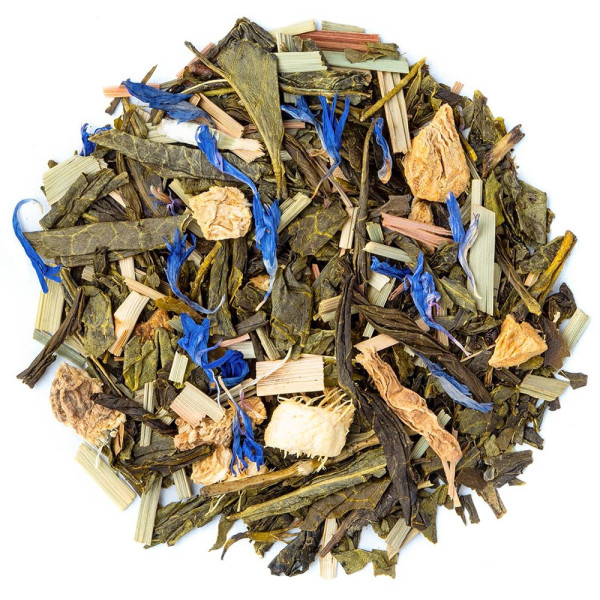
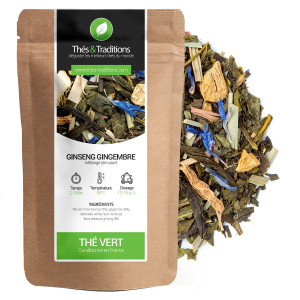
Ginseng Ginger

A tea with stimulating and revitalizing properties

(6 reviews)
€7.90 | 100g Tea Bag
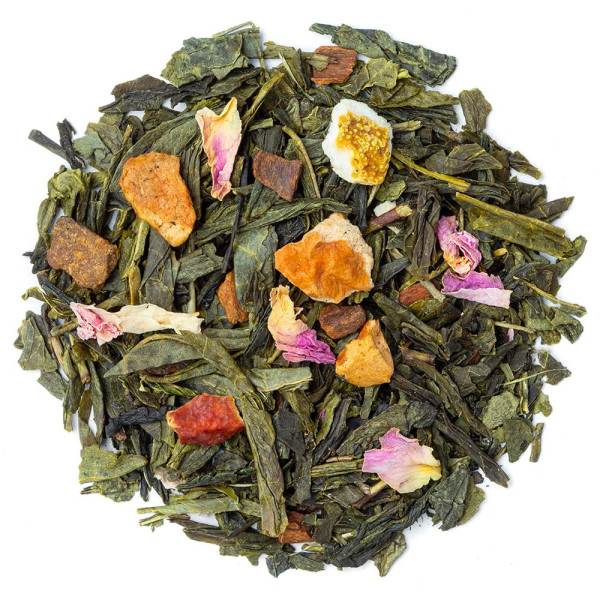
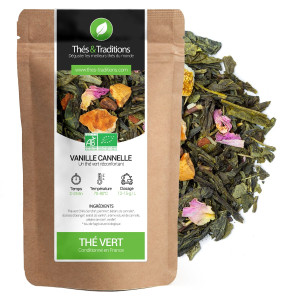
Organic Vanilla Cinnamon

A perfect fusion of aromas and flavors that will awaken your...

(1 review)
€7.90 | 100g Tea Bag
Filter
ORGANIC / CONVENTIONAL
MAIN TASTE
COLOUR OF TEA
Country of origin
Price

The Green Tea Guide: From Leaf to Cup

Green tea, made from the unoxidised leaves of the Camellia sinensis plant, is defined by its characteristic colour and delicate flavour. From the Japanese tea ceremony to everyday moments of pause, it has established itself as a true art of living, weaving together tradition and modernity in every cup.

The Origins of Green Tea: A Thousand-Year Story

Green tea traces its roots to ancient China, the birthplace of this iconic beverage. According to legend, Emperor Shen Nong discovered tea in 2737 BC when leaves from a tea plant drifted by chance into his bowl of hot water. Initially valued as a medicinal remedy, green tea gradually became the drink of choice across Asia.

In the eighth century, the Japanese Buddhist monk Saicho brought green tea to Japan, where it swiftly became a cornerstone of Japanese culture and gave rise to the celebrated tea ceremony. Over the centuries, green tea cultivation spread to other parts of Asia, including Vietnam, Korea and India, with each country developing its own distinct varieties and production techniques.

Today, while China remains the world's largest producer of green tea, this ancient beverage is enjoyed and cultivated across the globe, a testament to its enduring, universal appeal.

The Benefits of Green Tea

Green tea offers a wealth of health benefits, which goes a long way toward explaining its growing popularity around the world.

Rich in Antioxidants

Green tea is a natural source of antioxidants, particularly catechins, which help protect our cells from oxidative stress. These compounds play a key role in preventing a range of chronic conditions and slowing cellular ageing.

Supports Weight Management

A growing body of scientific research points to the positive effects of green tea on metabolism and weight management. The caffeine and catechins it contains work together to stimulate thermogenesis and fat oxidation. A study by Smith et al. (2018) found a 4% increase in resting metabolic rate, while Jones et al. (2020) observed a 1.3% reduction in abdominal fat mass.

Further Health Benefits

Green tea is also valued for its ability to ease stress, thanks to L-theanine, an amino acid that encourages relaxation without causing drowsiness. It supports digestion by boosting metabolism and promoting gut health. Its anti-inflammatory properties further contribute to a well-functioning immune system.

Storing and Brewing Green Tea

How to Store Your Tea

To keep your green tea fresh and aromatic, store it in an airtight container, away from light, moisture and strong odours. Avoid temperature fluctuations by keeping it somewhere cool and dry. For the best flavour, enjoy your green tea within 6 to 12 months of purchase. Avoid storing green tea in the refrigerator, as humidity can affect its quality.

How to Choose a Quality Green Tea

The Origin of the Leaves

Where a green tea comes from has a significant influence on its character and flavour. China, the birthplace of green tea, offers a remarkable range of styles and tastes. Japan is celebrated for its umami-rich green teas and distinctive production methods. Korea produces delicate green teas with soft, herbaceous notes, while Vietnam offers fresh, lightly bitter profiles.

The Production Process

The quality of a green tea depends greatly on how it is made, from picking and withering through to fixing, rolling and drying. The finest leaves are hand-picked in spring, then carefully processed to preserve their natural properties.

Freshness and Aroma

Trust your senses when assessing a green tea. The leaves should be intact, ranging from bright to deep green. The scent should be fresh and vegetal, sometimes floral or fruity. To the touch, the leaves should feel dry and crisp. The flavour should be balanced, with no excessive bitterness.

Green Tea: Frequently Asked Questions

How Much Green Tea Should I Use?

The ideal amount depends on the type of tea and your personal taste. As a general guide, use 2 to 3 grams of leaves per 200 ml of water. For tea bags, one bag per cup is usually enough. Adjust the quantity to suit your preferred strength.

Can Green Tea Support Weight Management?

Green tea may contribute to weight management through several mechanisms. Its caffeine and catechins can help stimulate metabolism, support thermogenesis, and reduce fat absorption. A 2009 meta-analysis published in the International Journal of Obesity concluded that green tea consumption was associated with a significant reduction in body weight and better weight maintenance.

How Many Cups of Green Tea a Day?

The optimal daily intake varies from person to person. Generally, 3 to 5 cups a day is considered safe and beneficial. Those sensitive to caffeine should keep to 2 to 3 cups. It is advisable not to exceed 8 cups per day to avoid potential side effects. Dr. Michael Greger, author of "How Not to Die", recommends 3 cups of green tea daily to maximise health benefits without unwanted effects.

Buy Organic Green Tea Online

Our shop offers a curated selection of organic loose-leaf green tea: premium Japanese varieties (Sencha, Gyokuro, Kabusecha, Tai Ping Hou Kui), Chinese teas (Gunpowder, Long Jing, Mao Feng, Bancha), and flavoured green teas (jasmine, mint, fruit, ginger-lemon). All our green teas are certified organic. Free shipping from €49 within mainland France, secure payment, available in 100g loose-leaf or larger formats.

Brewing Green Tea: Temperature and Dosage

A good green tea is best brewed at 70–80°C (never boiling) for 2 to 3 minutes, using 4–5g per 300ml of hot water. Japanese Sencha prefers 70°C, while Chinese Gunpowder tolerates 80–85°C. Most green teas can be re-infused up to twice.

The Benefits of Organic Green Tea

Green tea is naturally rich in catechins (particularly EGCG), powerful antioxidants. It contains moderate caffeine alongside relaxing L-theanine, offering a gentle, steady energy without the jitters. A wonderful choice for the afternoon.

Our Online Green Tea Shop: Expertise You Can Trust

At Thés & Traditions, our online shop is designed to make your shopping experience as pleasant as possible: free shipping from €49, secure Visa and Mastercard payment, and loose-leaf tea packed in airtight tins to preserve every aroma. Our experts source each harvest directly from partner producers, all certified organic. Sign up to our newsletter for monthly new arrivals and tasting tips on the blog.

Choosing a great tea takes knowledge: origin (Japan, China, Sri Lanka, Vietnam), vintage, and production method all matter. Our French family tea house has been guiding tea lovers through these choices with passion since 2016, offering a very different experience from large industrial brands.

Loose-Leaf Green Tea Varieties

Our selection covers all the great loose-leaf green tea varieties:

  • Sencha (Japanese): the classic umami, fresh and vegetal
  • Gyokuro: a shade-grown grand cru, with mineral and marine notes
  • Genmaicha: blended with puffed rice, toasty and comforting
  • Long Jing (Longjing): Chinese "Dragon Well", flat-pressed and delicate
  • Bancha: mature Japanese leaves, naturally low in caffeine
  • Gunpowder (Chinese): rolled into pellets, robust and full-flavoured
  • Mao Feng: fine buds, soft and floral
  • Tai Ping Hou Kui: long Chinese leaves with a distinctive aromatic signature

For those who enjoy flavoured green teas, we offer original blends: mint green tea (Marrakech style), jasmine tea, citrus green tea, pure green tea, and ginger-lemon green tea. Ceremonial grade Matcha powder completes the range for the traditional Japanese tea ceremony.

Green Tea vs White Tea, Oolong, Rooibos: Which Family Is Right for You?

Green tea stands apart from other tea families with its fresh, vegetal character and antioxidant richness:

  • White tea: the least processed of all, soft and floral, ideal for delicate palates
  • Oolong (blue-green tea): semi-oxidised, with a complex profile between green and black
  • Rooibos (South African rooibos): a caffeine-free red herbal infusion, a fine alternative to tea
  • Black tea: fully oxidised, full-bodied and robust, perfect in the morning with milk

Many discerning tea lovers build a collection spanning several families, choosing by time of day and season.

Green Tea and Wellbeing: Properties and Precautions

Rich in EGCG (epigallocatechin gallate), green tea has been the subject of extensive research into its role in cancer prevention (Health Effects Review 2019, Greater Tea Cancer Risk meta-analysis), its mild diuretic properties, and its flavonoid content. It supports natural elimination and pairs well with an active lifestyle. One note of caution: green tea can interfere with dietary iron absorption, so allow some time between drinking tea and eating iron-rich meals. Pregnant women should limit intake to 2 cups per day.

Green tea is also studied for its effects on metabolism (Effect on Body Weight, Obesity Reviews) and cardiovascular health. Regular consumption, as part of a healthy lifestyle, may help reduce certain chronic health risks.

Packaging and Long-Term Storage

All our green teas are packed in opaque airtight tins, available as 100g loose-leaf or resealable pouches. Our professional packaging keeps the tea fresh for 12 to 18 months from the date of packing. Our organic commitment guarantees zero pesticides: 100% of our teas are certified to European organic standards, verified by an independent certification body. For further information, please refer to our Terms and Conditions and Privacy Policy at the bottom of the page.

Buying Organic Green Tea: Formats and Practical Tips

To buy organic green tea online from our shop, simply add your chosen teas to your basket (pure or flavoured green tea), select your format (standard 100g, or larger sizes for regular drinkers), and check out securely with Visa, Mastercard or bank transfer. Our French customer service team is available by email via the contact page. Enjoy free delivery on orders over €49 within mainland France, with dispatch within 24 to 48 hours.

Green Tea or Black Tea?

Differences Between Green Tea and Black Tea

Green tea and black tea both come from the same plant, Camellia sinensis, but their production processes are quite different:

  • Green tea: The leaves are harvested and quickly heated to halt oxidation, preserving their green color and beneficial compounds.
  • Black tea: The leaves are allowed to fully oxidize before drying, giving them a darker color and a bolder, more pronounced flavor.

Pros and Cons of Each Type

Green Tea:

Green tea is richer in antioxidants, particularly catechins. It supports focus and mental clarity, and contains less caffeine than black tea. That said, its flavor can sometimes taste bitter or astringent to those new to it.

Black Tea:

Black tea is known for its bold, full-bodied flavor. Its higher caffeine content makes it a great choice for an energy boost, and it pairs beautifully with milk and sugar. However, full oxidation means fewer catechins than green tea.

How to Prepare and Enjoy Green Tea

Brewing Your Tea

For a perfect cup of green tea, follow these steps:

  1. Start with good-quality water, ideally filtered or spring water
  2. Heat the water to the recommended temperature for your green tea variety
  3. Warm your teapot or cup by rinsing it with a little hot water, then pour it out
  4. Add the right amount of leaves (generally 2–3g per 200ml of water)
  5. Pour the hot water over the leaves
  6. Steep for the recommended time, giving the leaves a gentle stir once
  7. Strain and serve

Brewing Methods

There are several ways to bring out the best in your tea:

  • Western-style infusion: In a teapot or mug, pour hot water over the leaves and steep for the recommended time.
  • Gong Fu Cha: A traditional Chinese method using a small teapot and multiple short, repeated steepings.
  • Cold brew: Place the leaves in cold water and leave to infuse in the refrigerator for 6 to 8 hours, for a refreshing iced green tea.

Tasting Green Tea

To fully appreciate the aromas of your green tea, take a moment with each step:

  1. Observe the color of the infusion, which can range from pale green to golden yellow
  2. Breathe in the aromas, noticing vegetal, floral, or fruity notes
  3. Take a small sip and let it roll across your tongue
  4. Pay attention to the different flavors: vegetal, fruity, umami, smooth, or astringent

When Is the Best Time to Drink Green Tea?

Green Tea in the Morning

Starting the day with a cup of green tea has a lot to offer. The combination of caffeine and L-theanine provides a natural energy lift, sharpens focus and mental clarity, and gets your metabolism going for the day ahead.

Green Tea in the Afternoon

A mid-afternoon cup can help shake off post-lunch fatigue, support digestion, provide a gentle energy boost without disrupting sleep, and keep you well hydrated.

Green Tea in the Evening

While green tea does contain caffeine, some varieties can be enjoyed in the evening. Here are a few guidelines:

Time of consumptionPotential effectsRecommendations
Before 6 pm Little to no impact on sleep Most green teas are suitable
Between 6 pm and 8 pm Slight risk of sleep disruption Choose a low-caffeine variety
After 8 pm Higher risk of sleep disruption Opt for herbal infusions or decaffeinated teas
Our customers talk about us
Thés & Traditions © 2026