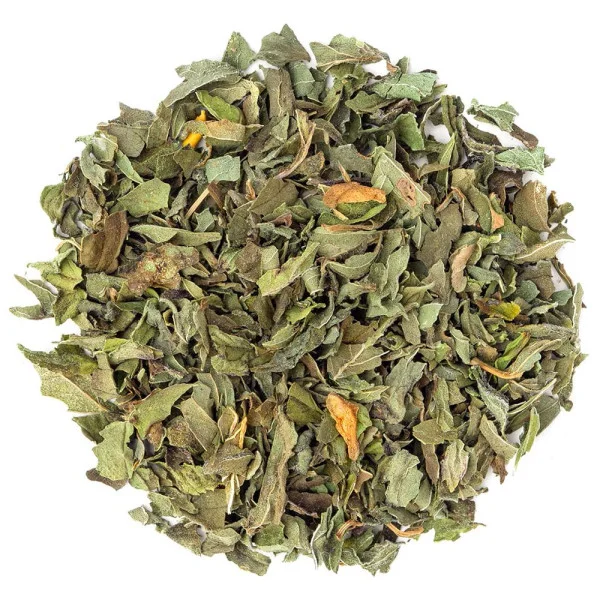
Organic
Peppermint
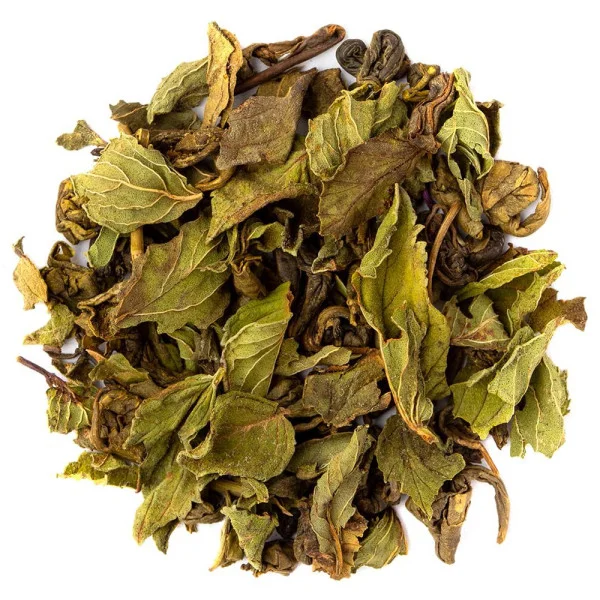
Organic peppermint herbal infusion made with 100% peppermint leaf
Mint tea is one of the world's most universally loved drinks: a symbol of hospitality in Morocco, a trusted digestive companion in France, a soothing ritual across every corner of the globe. Whether you prefer it in the Moroccan style, generously sweetened with Gunpowder green tea and fresh nanah mint, or in a more contemporary take pairing Sencha with crisp peppermint, you will find your perfect version at our house.
Thés & Traditions has brought together five mint-inspired creations: three green teas (peppermint, spearmint, Marrakech mint) and two herbal infusions (peppermint herbal infusion and detox mint herbal infusion). Each one is crafted for a different moment of the day and a different mood, from an energising morning start to a calm and peaceful evening.
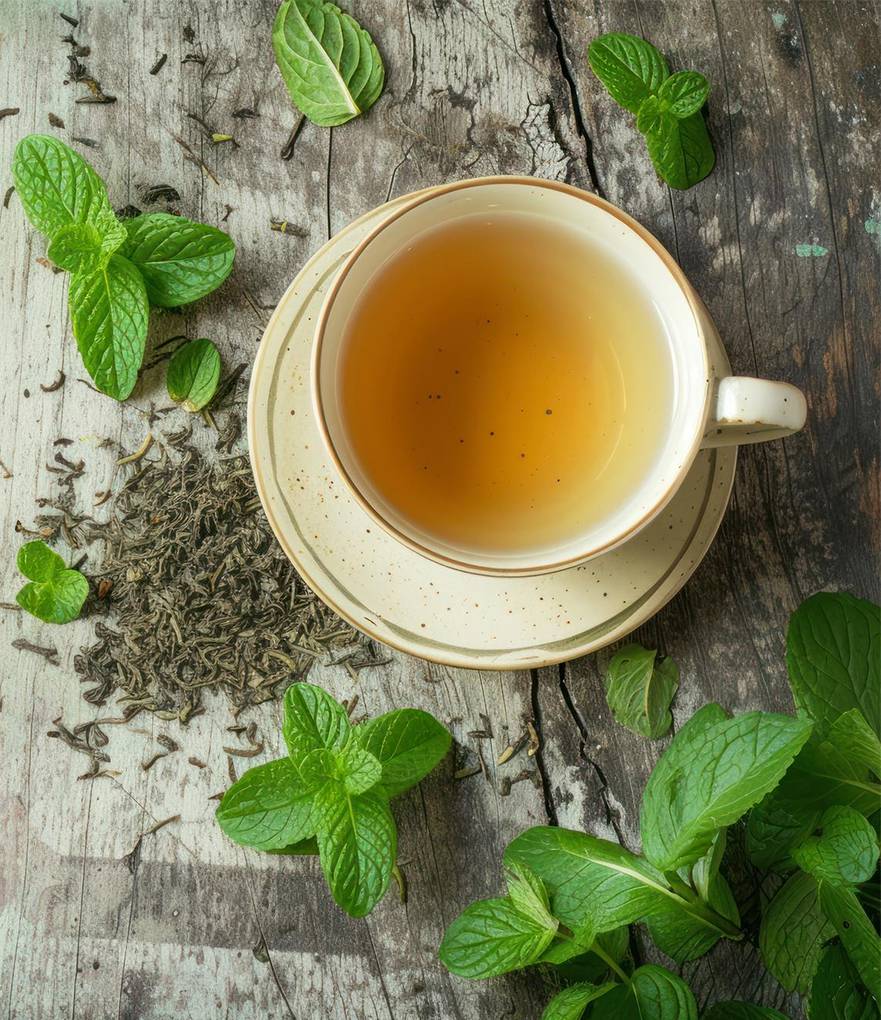
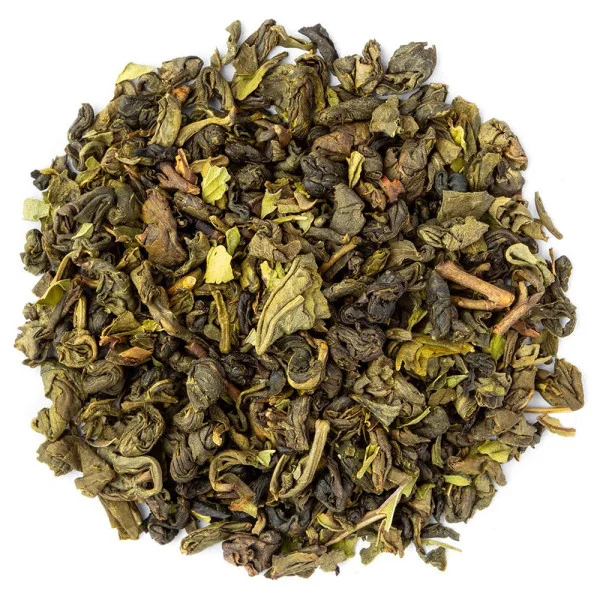
Originally from China, Gunpowder green tea is prized for its tightly rolled leaves, which lock in depth of flavour. Its robustness makes it the ideal base for a traditional Moroccan mint tea.
To capture the true character of this tea, reach for peppermint, spearmint or nana mint. Moroccan mint brings an especially vibrant, heady fragrance. A generous bunch of fresh mint, or organic mint, will deliver the most rounded flavour.
To make a beautiful green mint tea in the Moroccan tradition, begin by rinsing the Gunpowder green tea with hot water to mellow any bitterness. Add the tea leaves along with a generous bunch of fresh mint, ideally nana mint or Moroccan mint. Pour over gently steaming water and leave to infuse for a few minutes. Sweeten to taste with raw cane sugar or honey, then serve piping hot in traditional glasses. The heart of a truly good Moroccan mint tea lies in patience, and a little love.
One extra tip for a perfect cup: pour boiling water directly over the fresh mint leaves. This releases the full depth of the mint's aroma, giving your tea a vivid, layered flavour. Steep for 3 to 5 minutes, depending on how intense you like it: the longer you leave it, the more pronounced the mint will be. Remember to pour the tea from a height to create a light froth on the surface, the classic hallmark of a well-made mint tea. Serve hot in clear glasses to appreciate that beautiful golden colour, and enjoy a cup that is equally at home on a warm summer afternoon or shared around the table on a cosy evening with friends and family.
Five creations, five takes on mint. Here is how to find yours.
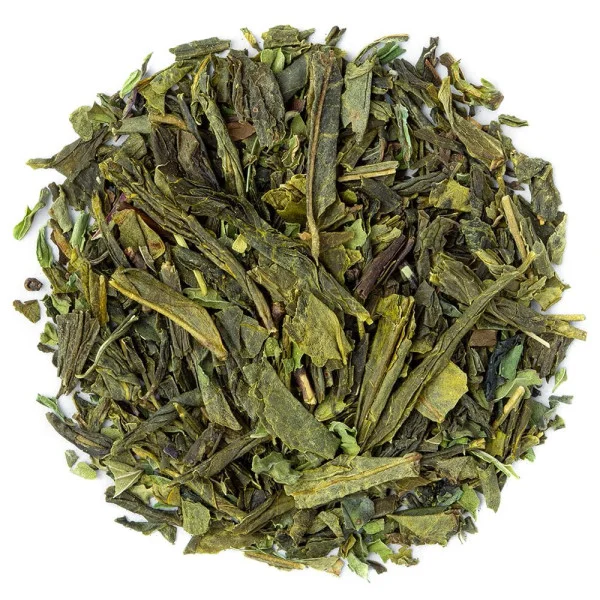
Green Sencha and European peppermint for a clean, refreshing, no-frills cup. A versatile infusion, perfect for exploring the green tea and mint pairing without any added sweetness.
Pure spearmint and delicate Sencha: this blend is all about smoothness. Spearmint is softer, more coolly mentholated than peppermint, making it ideal for those who find peppermint a little too bracing.
Our take on the traditional mint tea: a rolled Gunpowder that stands up beautifully to sugar, paired with nana mint. Best enjoyed piping hot in a glass, the Moroccan way.
Pure peppermint leaves, no tea base. The ideal after-dinner infusion: digestive, refreshing, and completely non-stimulating. Perfect for children and evenings when a good night's sleep matters.
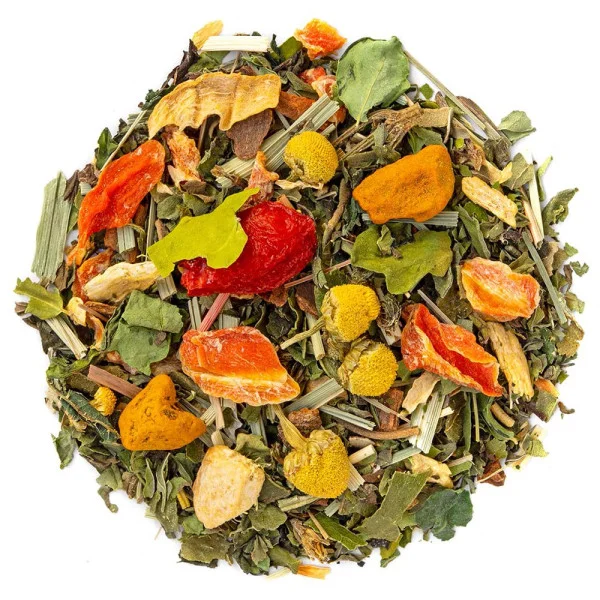
A blend of mint, ginger and draining botanicals. Our freshest detox infusion, best sipped at sunrise to gently wake the digestive system.
Julien Huot, founder of Thés & Traditions, personally selects every mint leaf from partner producers in France and Morocco.
Browse our selection of mint teas and herbal infusions below and find the creation that will bring a little pause to your day.
Peppermint is one of the most thoroughly documented plants in digestive herbal medicine. Its essential oil, rich in menthol, acts on the digestive tract by encouraging the smooth muscles of the gut to relax.
The EMA (European Medicines Agency) recognises the traditional use of peppermint leaf for the symptomatic relief of minor digestive complaints. It is the natural companion after a hearty meal.
Menthol delivers that immediate cooling sensation, refreshing the breath and gently stimulating the senses, with no caffeine when you choose our herbal infusion versions (pure Peppermint, Mint Detox). Perfect for the evening.
According to the ANSES (French Agency for Food, Environmental and Occupational Health Safety), green tea provides polyphenols (catechins) that help protect cells against oxidative stress. Paired with mint in our Peppermint, Spearmint and Marrakech Mint blends, they make for a cup that is as pleasurable as it is beneficial.
For a green mint tea, use water at 70–80°C, never boiling: water that is too hot destroys the catechins and brings out bitterness. Steep for 2 to 4 minutes depending on how strong you like it.
Moroccan mint tea is the exception: pour simmering water over the Gunpowder, discard the first infusion (to remove any bitterness), then steep again with nanah mint and sugar. Pour from a height to create a froth, and serve piping hot in glasses.
Whether you prefer yours in the morning (Mint Detox Herbal Infusion), after a meal (Peppermint Green Tea) or as a shared ritual (Marrakech Mint), our selection fits every moment of your day.
Which mint should I use for traditional Moroccan mint tea?
Nanah mint is the traditional choice in Morocco: a mild, highly aromatic spearmint. If you cannot find it, regular spearmint works beautifully. Peppermint is stronger and more mentholated, better suited to modern blends.
Does mint tea contain caffeine?
It depends on the base. Our Peppermint, Spearmint and Marrakech Mint varieties are made with green tea and therefore contain caffeine. Our herbal infusions (Peppermint Herbal Infusion, Mint Detox Herbal Infusion) are caffeine-free and can be enjoyed in the evening.
Can I drink mint tea during pregnancy?
Mint leaves in a light infusion are generally well tolerated, but peppermint essential oil is not recommended during pregnancy. If in doubt, speak to your doctor or midwife before drinking it regularly.
How many cups of mint tea can I drink a day?
Two to three cups a day is suitable for most healthy adults. Beyond that, it is worth alternating with other infusions to avoid excess caffeine if you are drinking the green tea versions.
Should mint tea be sweetened?
That comes down to tradition and personal taste. In the Moroccan style, sugar is an integral part of the ritual and balances the robustness of the Gunpowder. In a modern version with Sencha or an herbal infusion, you can skip it entirely, or add a touch of honey to let the aromas shine through.
Here is an easy recipe for preparing an authentic Moroccan mint tea:
Ingredients:
Preparation:
This simple recipe lets you savour a delicious mint green tea just as they make it in Morocco. Feel free to adjust the amount of sugar and mint to suit your own taste. Enjoy the journey!
In Morocco, mint tea is enjoyed at any time of day, from breakfast through to the evening. It pairs beautifully with Moroccan pastries such as gazelle horns, ghoriba, or briouats. For a more indulgent treat, serve your Moroccan tea alongside honey and almond crepes, or dates stuffed with walnuts. Purists will love their mint green tea on its own, savouring the subtle complexity of its unique aroma. Experiment and find your favourite pairing for this iconic Moroccan drink!
Beyond the classic Moroccan ritual, there are several variations that bring new flavours and uses to this tea throughout the year.
Served cold, mint tea becomes an wonderfully refreshing drink. Brew your infusion as usual (green tea or herbal infusion), let it cool slightly, then pour over ice. Add a few fresh mint leaves, a slice of lemon, and a dash of mint syrup if you prefer it sweeter. A perfect alternative to commercial soft drinks on hot summer days.
In some regions of the Maghreb, a few drops of orange blossom water are added to the mint tea served on special occasions. This floral touch deepens the flavour without masking the freshness of the mint. Best saved for festive moments or afternoon gatherings.
The Moroccan ritual traditionally calls for a silver-toned metal tea service with a long-spouted teapot and decorated glasses. This allows the tea to be poured from a height, a technique that creates a frothy surface and aerates the brew. For a more modern approach, a simple glass teapot and fine porcelain cups work beautifully to show off the golden colour of the infusion.
Authentic Moroccan tea uses raw sugar lumps (broken from a sugar loaf), added directly to the teapot at the start of steeping. The amount varies by region and preference: from 4 tablespoons per litre in milder versions, up to 8 in sweeter ones. For a lighter approach, swap the sugar for orange blossom honey, or enjoy it unsweetened.
If you want the benefits of green tea while using fewer loose leaves, some brands offer powdered matcha-mint blends. This contemporary approach combines the antioxidants of matcha with the brightness of peppermint. An interesting option for those looking to vary their sources of catechins.
Whatever variation you choose, the goal remains the same: a perfect balance between the depth of the tea, the freshness of the mint, and the gentle sweetness of the sugar.

French House
Independent since 2016.
Fast delivery
Home delivery or click & collect.
Made with heart
In the south of France.
Customer service
A real voice at the end of the line,
Monday to Friday: 04 22 91 35 75.
Sharing, passing it on: our teas, our tips, the occasional unexpected idea, and little attentions just for you. Pure pleasure, ready to steep.