Organic
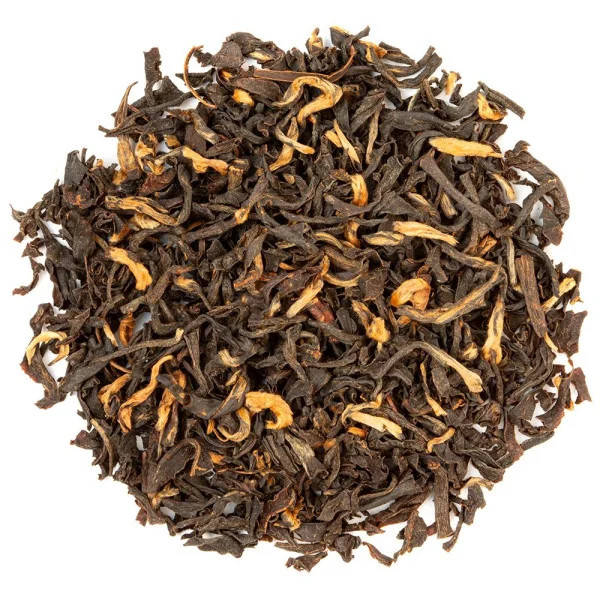
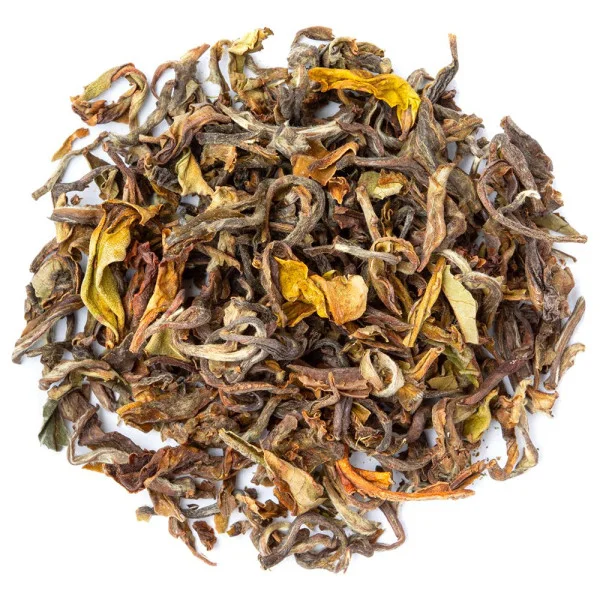
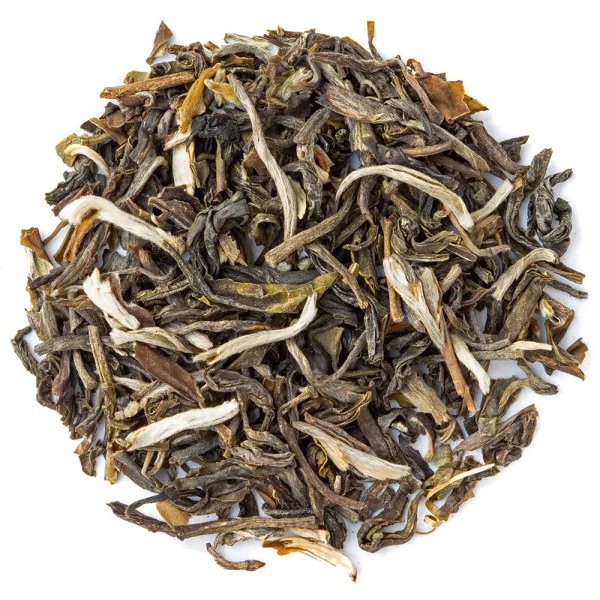
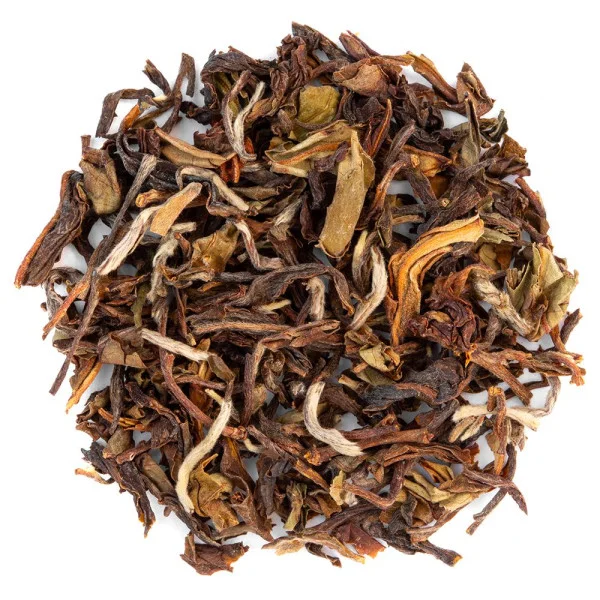
Darjeeling SFTGFOP1 Phuguri 1st Flush Organic
Exceptional First Flush Darjeeling, floral and sparkling
A sensory journey through the world's most prestigious tea gardens. Our organic selection of grand cru teas and rare teas brings together small-batch harvests, hand-picked and crafted by master artisans, from Chinese Lung Ching to Japanese Gyokuro.

A grand cru tea is defined by its precise geographical origin, its unique growing conditions, and its artisanal processing methods. Our rare teas come from little-known gardens where annual production sometimes amounts to only a few dozen kilograms. This rarity, combined with meticulous harvesting techniques, often limited to the bud and the first two leaves, gives these teas aromatic profiles of remarkable complexity.
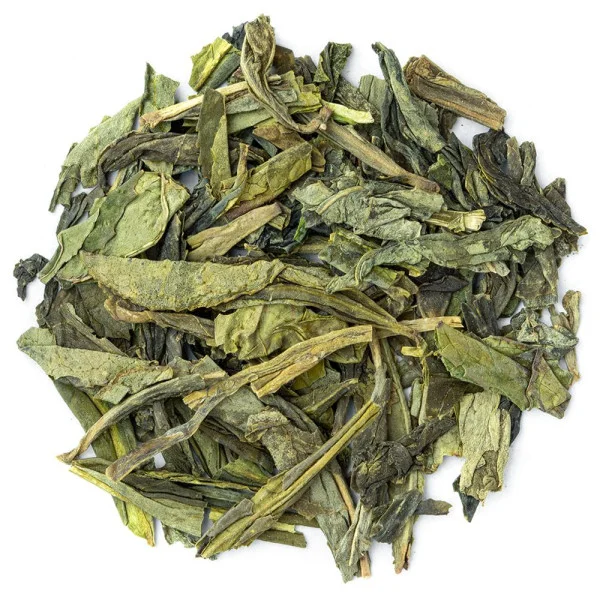
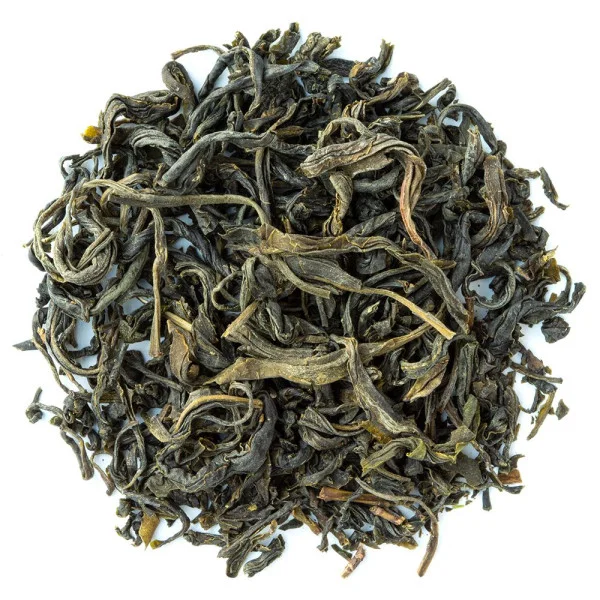
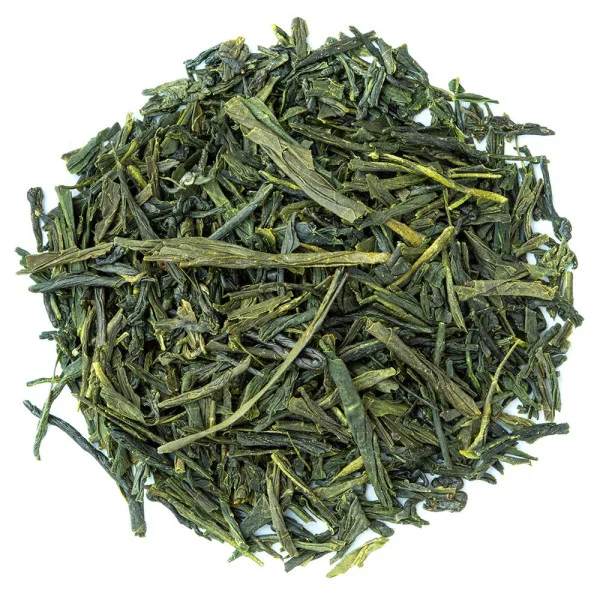
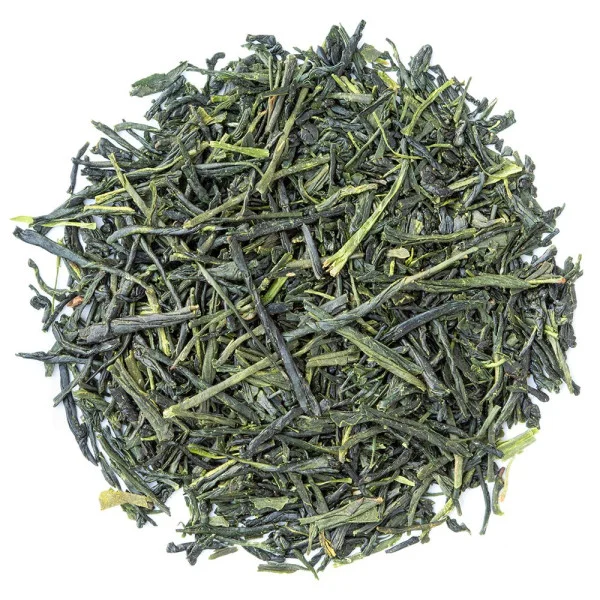
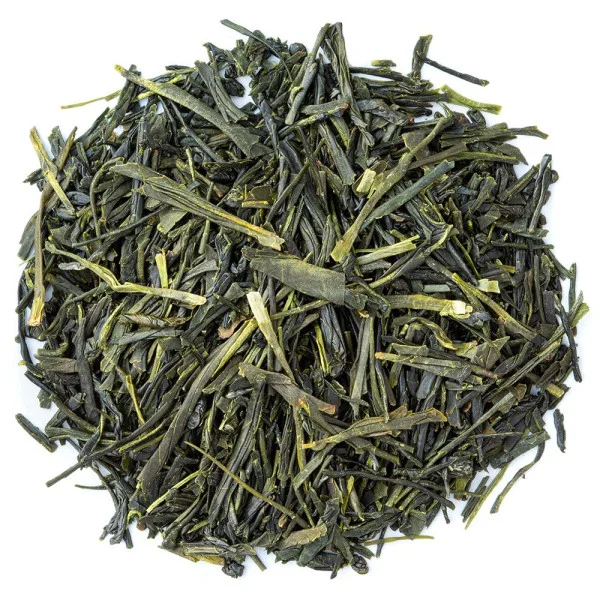
Our collection takes you on a journey through some of the world's most beautiful tea gardens. From China, with its Lung Ching Superior and its fruity, sweet notes, to Japan, with the delicate Gyokuro Kusanagi that slowly reveals itself on the palate, each origin has its own distinct character. India brings us its prestigious Darjeeling SFTGFOP1 first flush teas, while South Korea surprises with the rare Woojeon Green, grown on the volcanic island of Jeju.
Selecting a grand cru tea means weighing several criteria that will guide you toward the tasting experience best suited to your palate.
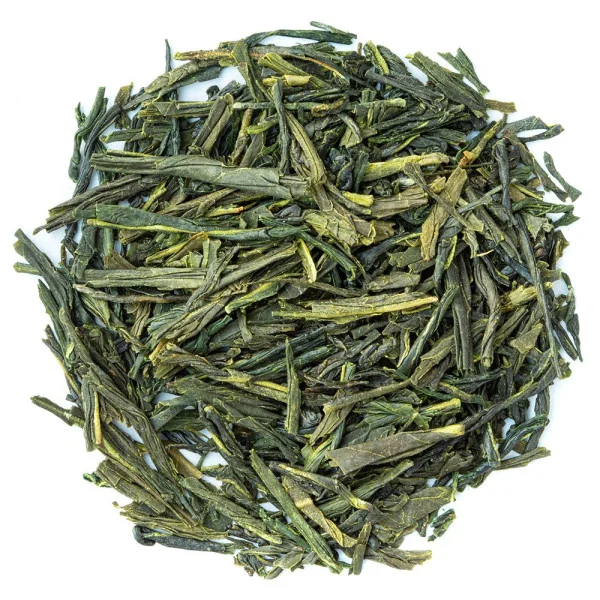
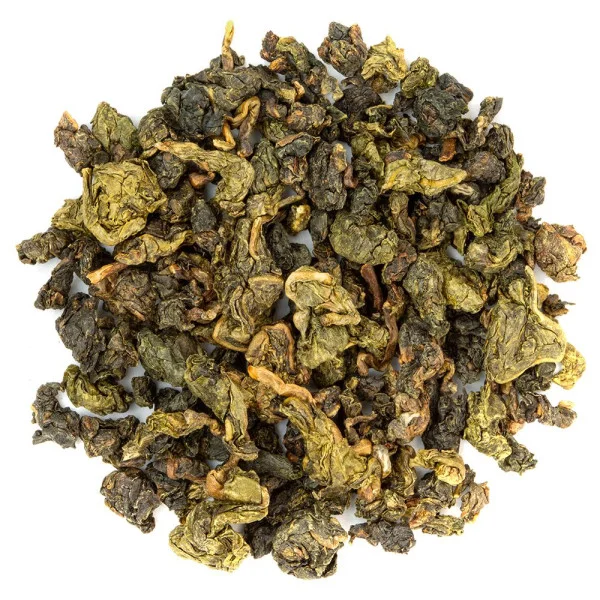
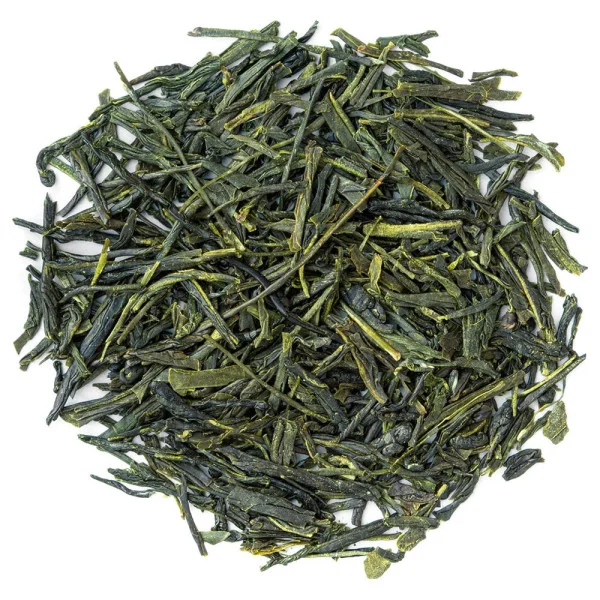
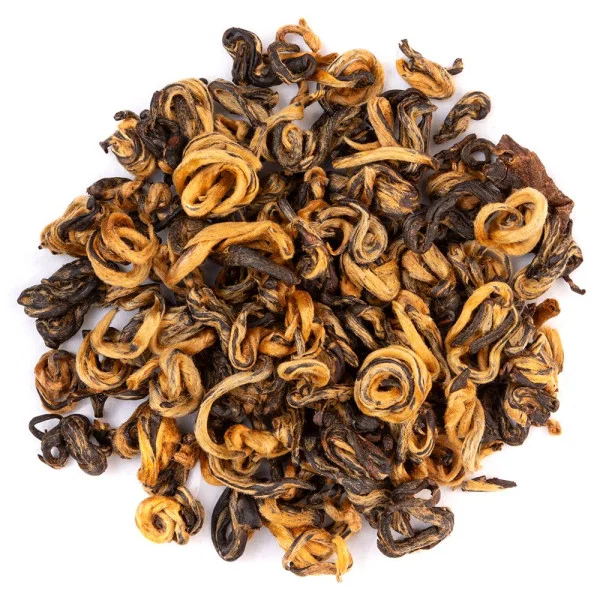
Lovers of green tea will gravitate toward our premium Japanese Sencha or our delicate Chinese teas such as Mao Feng Hua Hai. For those passionate about black tea, our Assam SFTGFOP1 and first flush Darjeeling reveal bold, floral characters. The more curious will discover rare Oolongs like Java Halimun Jade, with its complex notes of intermediate oxidation.
Our rare teas are packaged in airtight pouches that protect their delicate aromas. The freshness of the harvest plays a decisive role in how flavors express themselves, which is why we carefully select our suppliers from producers we trust.
Every grand cru tea deserves a preparation that honours its character. Water temperature, steeping time and leaf quantity all shape the way its aromas unfold.
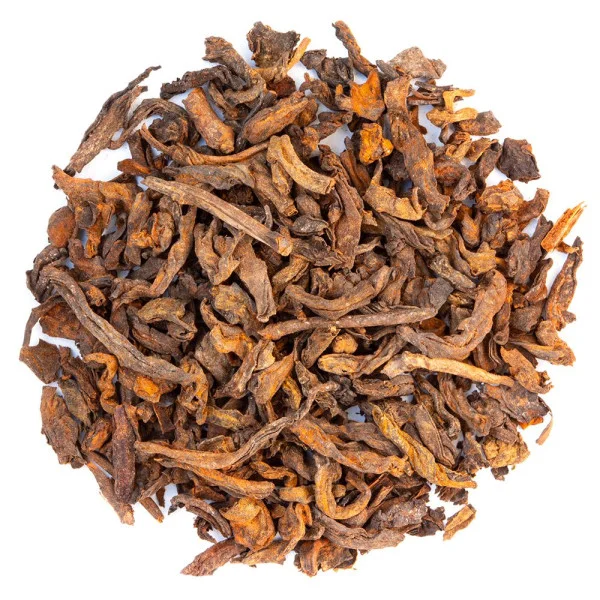
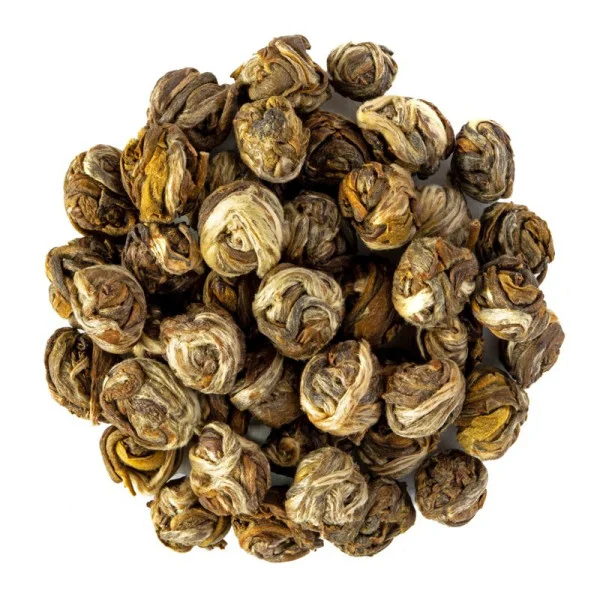
White teas such as our hand-rolled Jasmine Pearls call for water at 75–80°C to preserve their floral delicacy. Japanese green teas flourish between 60 and 70°C, while our aged Pu-erh welcome near-boiling water, which draws out the full depth of their long maturation.
Our customers often ask us about these exceptional teas. Here are answers to the questions we hear most.
A grand cru tea is defined by its exceptional quality, rooted in its terroir, cultivation method or a specific transformation process. A rare tea is distinguished by its limited production, often the result of unique geographical conditions or closely guarded artisan techniques. Some teas combine both qualities, like our Gyokuro Kusanagi, a grand cru for its shade-grown cultivation method and rare for its restricted yield.
Keep your rare teas in a dry place, away from light and strong odours. Our resealable airtight pouches provide optimal protection. Once opened, transfer the leaves to a sealed metal tin to preserve their delicate aromas for as long as possible.
A 50g pouch yields around 25 to 30 cups, depending on how much leaf you use. For our grand cru teas, we recommend 2g per cup to let their complex flavours fully express themselves. Some teas, such as Oolongs, lend themselves to multiple successive infusions, giving you even more tasting moments from a single measure.
At Thés & Traditions, we work directly with producers to bring you rare teas that are both authentic and fully traceable. Our selection, predominantly organic, honours centuries-old traditions while supporting sustainable farming. Each tea in our collection tells a story: a terroir, a craft, and a passion passed down from generation to generation.
Behind every rare tea in this selection, there is a family, a garden, a story. These partnerships have been built over several years: visiting the farms, tasting each harvest, and selecting only the lots that meet our aromatic standards.
Three signs tell the story: the product sheet names a specific garden and harvest year, the whole leaves are clearly visible to the naked eye with very few broken pieces, and the liquor holds its aromatic balance across two or three successive infusions. An everyday tea tends to lose its character from the second infusion onward.
Three factors account for the difference: hand-picking (which can take up to ten times longer than machine harvesting), limited volumes (a five-hectare garden may produce only 200 kg of premium tea per year), and the artisanal processing techniques that require a master's eye. Even so, the price per gram remains lower than that of a specialty coffee of comparable quality.
For a first foray into fine teas, Lung Ching Superior is an excellent starting point: its gentle chestnut notes and rounded floral balance suit almost every palate. On the white tea side, Yin Zhen Silverneedle is appreciated for its honeyed delicacy. Those who prefer bolder profiles will gravitate toward the Darjeeling Phuguri.
The majority of our selection is certified organic (Agriculture Biologique, EU Organic Eurofeuille label). A handful of lots, including certain historic Chinese crus, come from gardens grown without chemical inputs but not yet formally certified. The organic designation is always noted on the product sheet.
At Thés & Traditions, every lot in our grand cru and rare tea collection is blind-tasted by our team before approval. We consistently turn down harvests that fall short of a garden's aromatic promise, even if it means a temporary out-of-stock. This commitment ensures that every order delivers a tea true to its reputation and its terroir.
A grand cru tea is a tea sourced from a specific garden, defined by its terroir, altitude and harvest season. Picking is typically limited to the buds and first two leaves, processed by hand in family-run workshops. This level of care, combined with annual yields often below 100 kg, produces a rare tea with deep, lingering aromas that are inseparable from their origin.
Four markers set a true exceptional tea apart:
| Criterion | Grand cru tea | Everyday tea |
|---|---|---|
| Origin | Named garden, identified plot | Multi-origin blend |
| Picking | Hand-picked, buds + 1 leaf | Machine-picked or late harvest |
| Annual production | 10 to 500 kg per garden | Several tonnes |
| Liquor | Aromatic, lingering, complex | Standardised, little nuance |
| Price per gram | €0.20 to €1.50 | €0.02 to €0.10 |
Excellence spans all categories: among green teas, the Chinese Lung Ching Superior and Japanese Gyokuro; among white teas, the Yin Zhen Silverneedle; among black teas, the Darjeeling first flush; and for matcha lovers, the Organic Ceremonial Shizuku.

French House
Independent since 2016.
Fast delivery
Home delivery or click & collect.
Made with heart
In the south of France.
Customer service
A real voice at the end of the line,
Monday to Friday: 04 22 91 35 75.
Sharing, passing it on: our teas, our tips, the occasional unexpected idea, and little attentions just for you. Pure pleasure, ready to steep.